Wellbeing
The Healing Power of Plants
Plants as Living Medicine
Plants have healed humanity for millennia. Beyond the psychological comfort of greenery, botanical medicine works physiologically—through compounds that interact with our bodies in measurable ways.
Modern science validates traditional knowledge. Herbal tea calms not through placebo but through proven pharmacological action. Adaptogens reduce stress hormone production. Essential oils affect mood through olfactory pathways.
Yet the most powerful medicine may be the practice itself: taking time to brew tea, tend plants, experience ritual. In our rushed world, this intentionality becomes therapeutic.
Creating Your Botanical Space
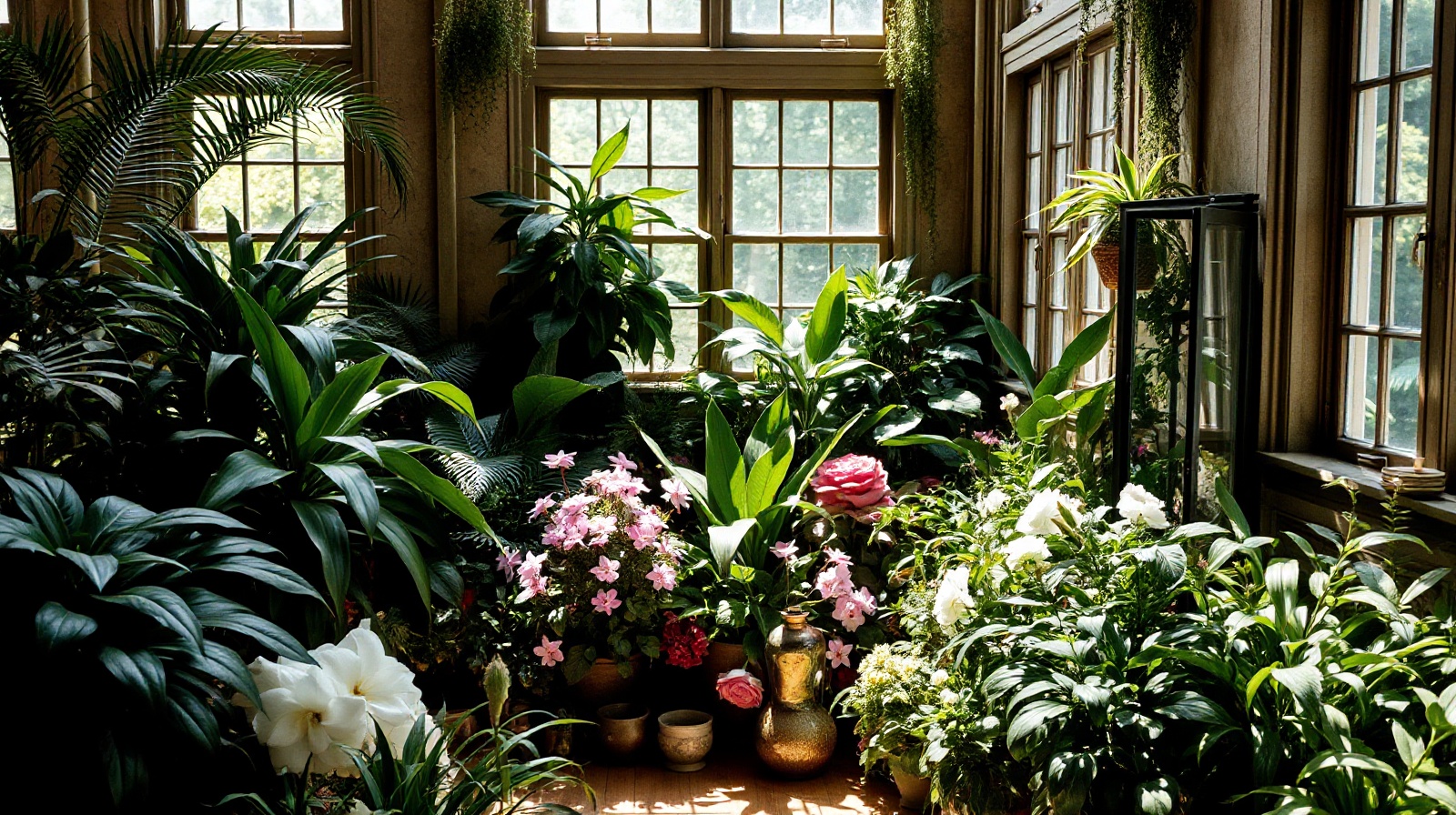
Indoor plants purify air while providing visual calm. Species vary in maintenance requirements—choose plants matching your energy and attention capacity. Even a single plant creates life in a room.
Botanical displays become meditation focal points. Observing growth patterns, seasonal changes, and life cycles connects you to natural rhythms increasingly absent from modern living.
A small herb garden offers fresh flavors while providing daily interaction with nature. Cooking with plants you’ve grown bridges the gap between consumption and creation.
Herbal Preparation
Teas are the simplest preparation. Fresh or dried herbs steeped in hot water create medicines that nourish while warming. Chamomile calms, ginger supports digestion, mint refreshes.
Infusions—longer steeps allowing herbs to fully release properties—concentrate beneficial compounds. Tinctures, made with alcohol or glycerin, provide concentrated doses in small volumes.
Learning basic preparation transforms you from consumer to practitioner. This knowledge reconnects you with practices your ancestors knew intimately.
Building Your Apothecary
Start with versatile herbs: chamomile, peppermint, lavender, ginger. These address common needs—sleep, digestion, stress, cold symptoms. Quality matters significantly—organic, ethically sourced herbs are worth the investment.
Dry storage in glass containers away from light preserves potency. Create labels noting acquisition dates and expiration—herbs lose efficacy over time.
As your practice deepens, explore specific preparations. Salves, decoctions, and ferments expand your botanical toolkit. Each preparation method serves different purposes.
Sustainable Sourcing
Grow what you can, buy ethically when you cannot. Overharvesting threatens wild plant populations. Support companies practicing sustainable sourcing and fair-trade practices.
Foraging, if done responsibly, deepens your botanical knowledge. Take only what you need, harvest sustainably, and ensure accurate identification before consuming anything foraged.
Plants offer us medicine, beauty, sustenance, and companionship. By inviting them into our homes and practices, we heal ourselves while reconnecting with the natural world.

The Lifestyle Journal
A curated publication exploring style, home, wellbeing, and culture. Our editorial mission is to inspire thoughtful living through in-depth, opinionated storytelling.
Related Articles

Wellbeing
A Beginner's Guide to Daily Meditation
Discover how to establish a sustainable meditation practice that brings calm and clarity to your daily life.
Jan 30, 2026

Wellbeing
Wellness Retreats: Finding Your Mountain Sanctuary
Discover how mountain retreats offer transformative wellness experiences away from daily demands.
Jan 20, 2026