Culture
Curating Art Installations at Home
Gallery Principles for Home
Museums and galleries employ specific principles when displaying art. These same techniques elevate your home collection from scattered pieces to cohesive installations.
The most crucial principle: negative space. In galleries, walls between works matter as much as the artworks themselves. Your home benefits from the same restraint. One exceptional piece dominates a wall far more powerfully than three modest works competing for attention.
Planning Your Layout
Map your wall to scale before hanging anything. Consider sight lines—at what height will viewers encounter your work? Eye level typically means 57-60 inches to the center of a piece, adjustable based on viewer height.
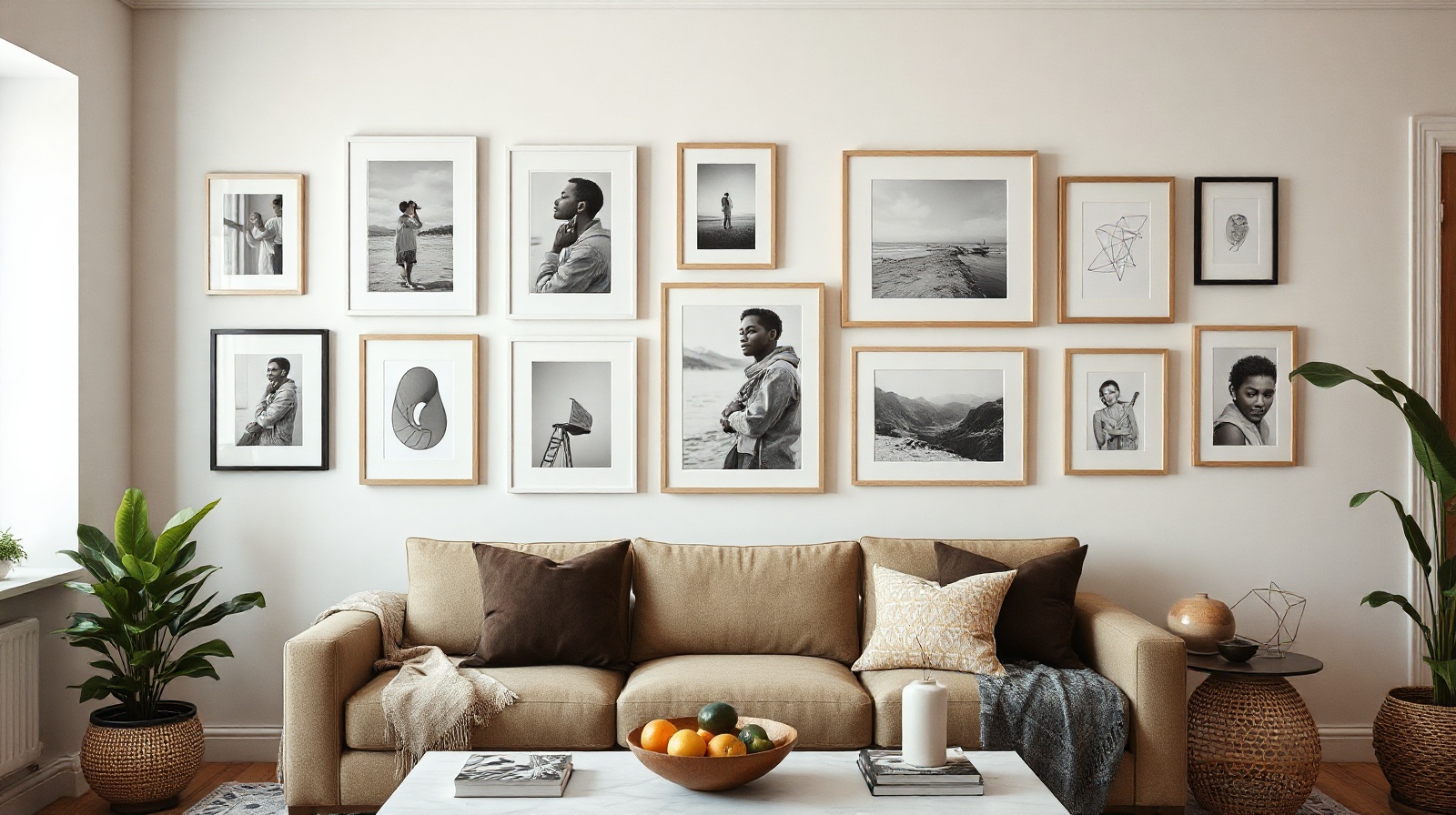
Groupings work best with 2-4 inches between frames. Odd numbers of pieces often feel more natural than even arrangements. Asymmetrical grids appear more sophisticated than rigid rows.
Create a focal wall in each room—one wall that receives intentional curation while others remain minimal. This establishes clear visual hierarchy.
Lighting as Critical Element
Proper lighting transforms mediocre displays into gallery-quality installations. Track lighting allows adjustable beam focus. Picture lights mounted on frames add dramatic emphasis.
Avoid casting shadows on artwork. Position lights to illuminate the work without creating glare. Natural light from windows can work beautifully if controlled with curtains.
Consider warm and cool color temperatures. Warm light suggests intimacy; cool light creates contemporary sophistication. Match your existing lighting’s temperature for cohesion.
Framing and Presentation
Consistent framing creates visual harmony without becoming monotonous. Similar frame styles and mat colors unify disparate pieces. Varying frame sizes while maintaining color consistency prevents uniformity fatigue.
Float mounting—displaying work with visible space between art and mat—feels contemporary and sophisticated. Edge framing with consistent borders provides classic elegance.
Creating Conversations
Art installations become installations when pieces interact. Thematic connections—color, subject matter, size progression—create narratives across your walls.
Proximity matters. Work with geographic relationships (same region), conceptual connections (exploring similar themes), or stylistic continuities (all abstract or all figurative).
The Evolution of Display
Gallery installations evolve seasonally or as collections grow. This natural evolution keeps your space feeling alive. Rotate works regularly—what looks fresh one season may need rest another.
Your home isn’t a museum—it’s a living gallery that reflects your life, tastes, and growth. The most compelling installations feel like natural expressions of their inhabitants’ sensibilities.

The Lifestyle Journal
A curated publication exploring style, home, wellbeing, and culture. Our editorial mission is to inspire thoughtful living through in-depth, opinionated storytelling.
Related Articles
Culture
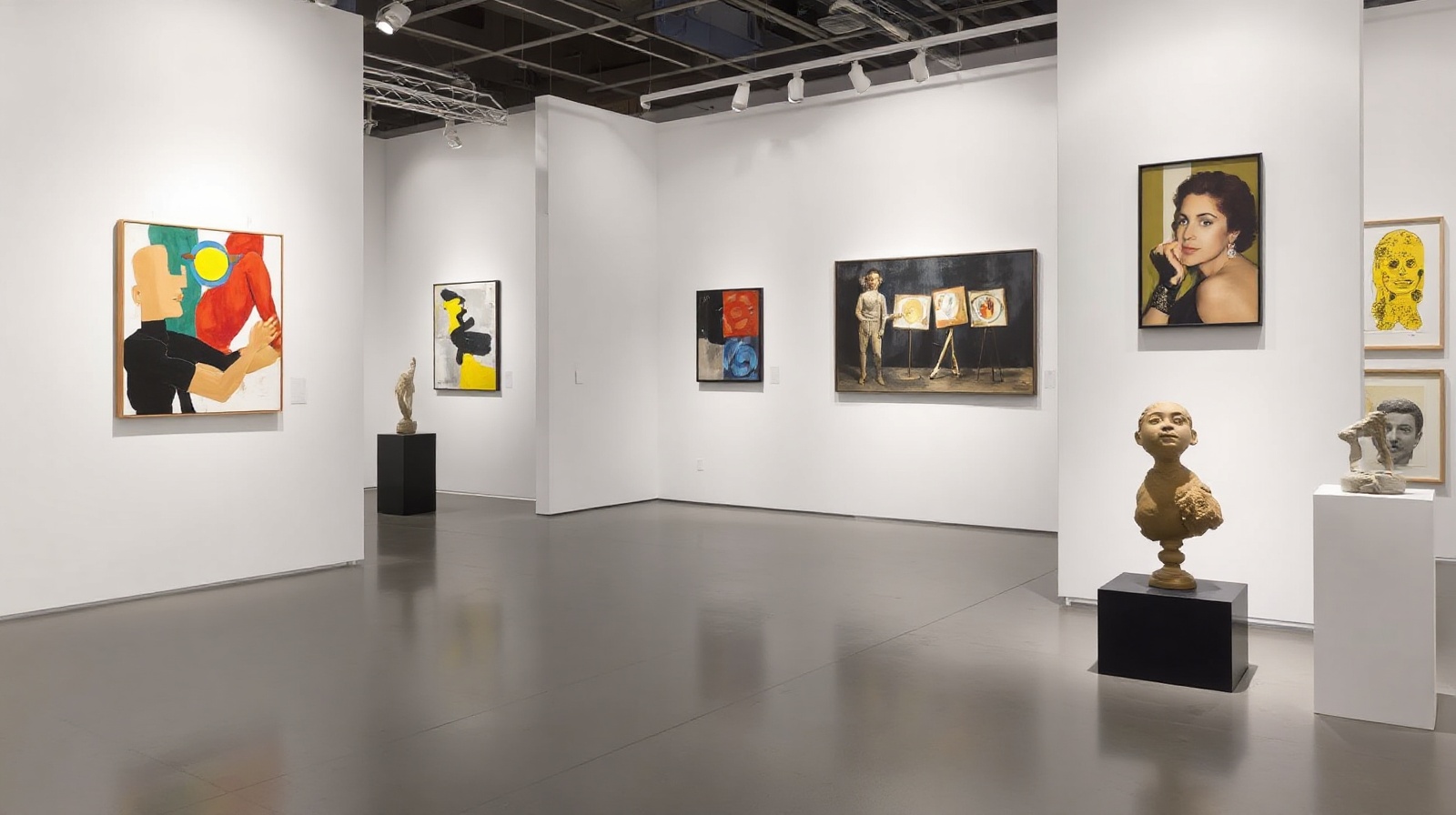
How to Start Collecting Contemporary Art
A practical guide to understanding, selecting, and displaying contemporary art that resonates with you.
Jan 28, 2026
Culture
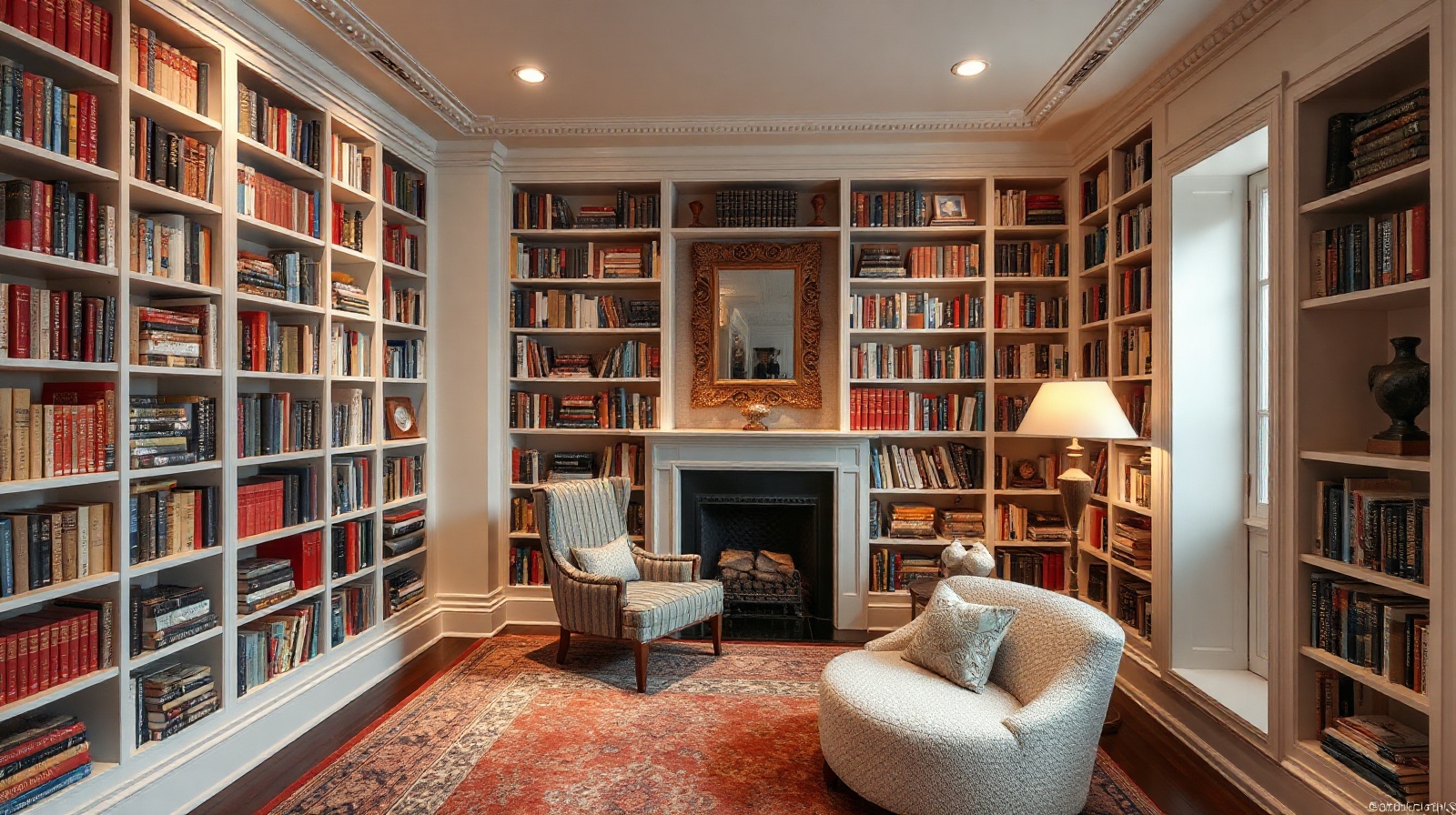
Creating Your Personal Library
Transform a room into a thoughtful library that invites deep reading and intellectual exploration.
Jan 8, 2026